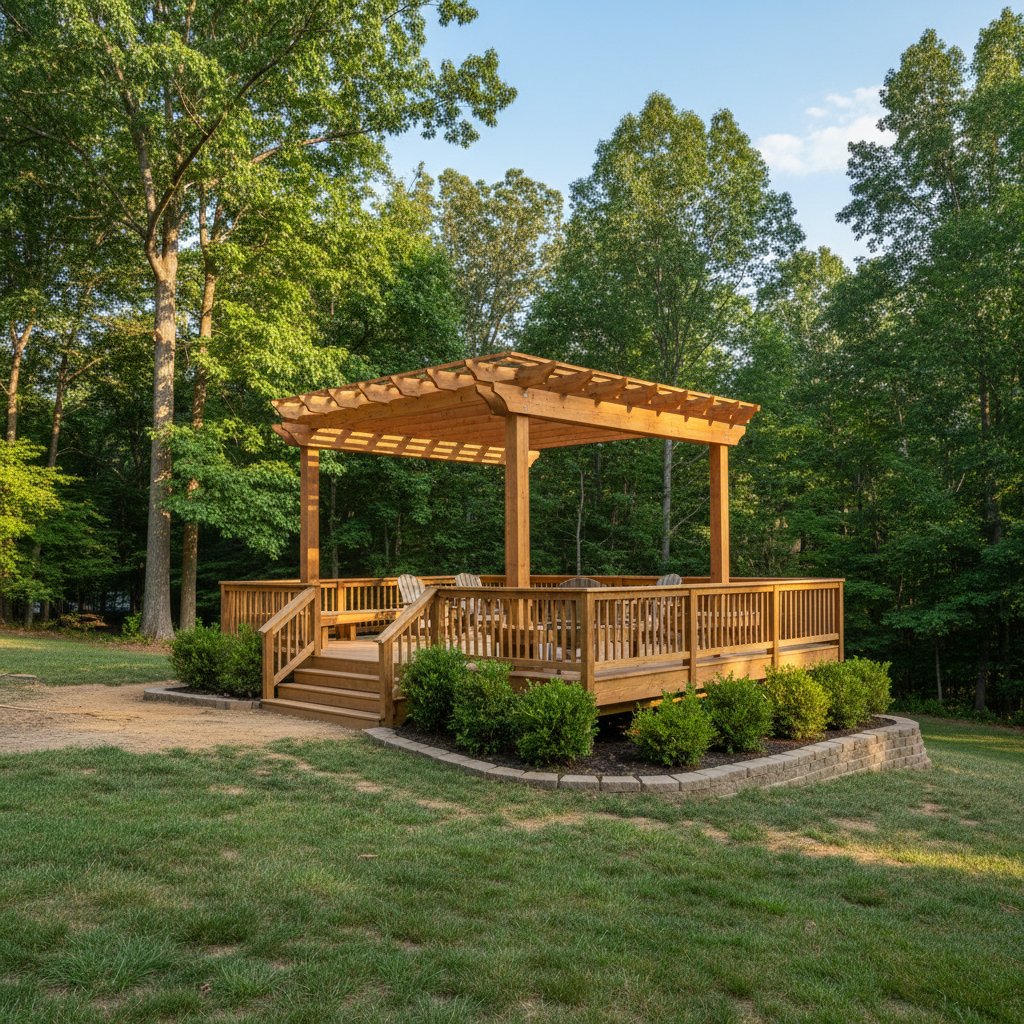
So, you're dreaming of a pergola, huh? That's a fantastic idea for adding some shade and style to your outdoor living space right here in Loudon. Before you dive in, though, let's chat about the best time to build one and what you need to know to keep it looking sharp, especially with our local East Tennessee weather.
When's the Best Time to Build a Pergola in Loudon?
Honestly, you *can* build a pergola pretty much any time of year. But some seasons are definitely better than others for us folks here in East Tennessee. I've seen people try to rush things, and it usually doesn't end well, believe me.
- Spring (March-May): This is prime time. The weather's usually mild, not too hot, not too cold. We get some rain, sure, but it's generally manageable. The ground isn't frozen solid, and it's not scorching hot for the crew. Plus, if you build in spring, you'll have your pergola ready to enjoy all summer long. Perfect timing.
- Fall (September-November): Another excellent window. The summer heat finally breaks, and we get those beautiful, crisp days. Less humidity means wood materials behave better, and staining or sealing goes on much smoother. You might miss out on a few weeks of summer use, but your pergola will be all set for next year's warm season.
- Summer (June-August): It's doable, but it's tough. Our Loudon summers can be brutal – hot, humid, and those pop-up thunderstorms can really slow things down. Working in 90-degree heat isn't fun for anyone, and it can affect how materials handle. If you're on a tight schedule, we can make it work, but just expect potential delays because of the weather.
- Winter (December-February): This is usually the slowest time for outdoor construction, and for good reason. Freezing temperatures, ice, and snow aren't ideal for pouring concrete footings or working with wood. Plus, you're not going to be enjoying your new pergola much when it's cold outside, right? We'll do smaller repairs or planning, but full builds generally get pushed to spring.
How Loudon Weather Affects Pergola Construction
Our climate isn't like, say, Arizona. We get all four seasons, and each one brings its own set of challenges and things to think about for your pergola.
- Humidity and Rain: This is a big one for us. High humidity, especially in summer, can make wood swell. Then, when it dries out, it shrinks. This expansion and contraction can put stress on joints and fasteners over time. Heavy rains, like the downpours we get around Tellico Village, can delay concrete pours or just make working conditions plain unsafe.
- Temperature Swings: We see pretty dramatic temperature changes, sometimes even within a single day. This also makes materials move around. Using the right fasteners and construction techniques is super important to make sure your pergola stays sturdy through these cycles.
- Sun Exposure: Our intense summer sun can be brutal on wood. UV rays break down finishes and can cause wood to gray or crack if it's not protected properly.
- Wind: While pergolas are generally open structures, strong winds can still put stress on them. Proper anchoring and sturdy construction? Absolutely non-negotiable.
Protecting Your Pergola Year-Round: Your Investment Matters
Building a pergola is an investment in your home and your outdoor lifestyle. You want it to last, don't you? Here's how you protect it, no matter the season:
Regular Cleaning
This sounds basic, but it's actually huge. Dust, pollen, leaves, and even mildew can build up. A simple wash with mild soap and water, maybe a soft brush, can do wonders. Do this a couple of times a year, especially after pollen season and before winter hits.
Staining or Sealing
Think of this as your pergola's sunscreen and raincoat. For wood pergolas, you absolutely need to stain or seal them regularly. How often depends on the product you use and how much sun your pergola gets. Generally, every 2-3 years is a good rule of thumb for most quality stains. This protects against UV damage, moisture, and rot. If you've got a composite pergola, you're mostly just cleaning it, which is one of the big perks.
Check for Loose Fasteners
Remember that expansion and contraction I mentioned? It can loosen screws and bolts over time. Once a year, give your pergola a good once-over. Tighten anything that feels wobbly. It's a small task that can prevent much bigger problems down the road.
Inspect for Damage
Look for cracks in the wood, signs of insect activity, or any rot. Catching these things early makes repairs much easier and cheaper. Pay close attention to the posts where they meet the ground or concrete footings – that's often where moisture damage starts.
Trim Nearby Branches
If you have trees overhanging your pergola, keep those branches trimmed. Falling limbs can cause serious damage, and constant leaf debris can lead to moisture retention and mildew. Nobody wants that.
A pergola is a fantastic addition to any Loudon home, giving you a beautiful shaded retreat. By understanding our local weather and taking a few proactive steps, you'll ensure your pergola stays beautiful and functional for years to come. If you're ready to talk about getting one built, or if you need help maintaining an existing one, you know who to call. Mighty Decking is always here to help our neighbors.